
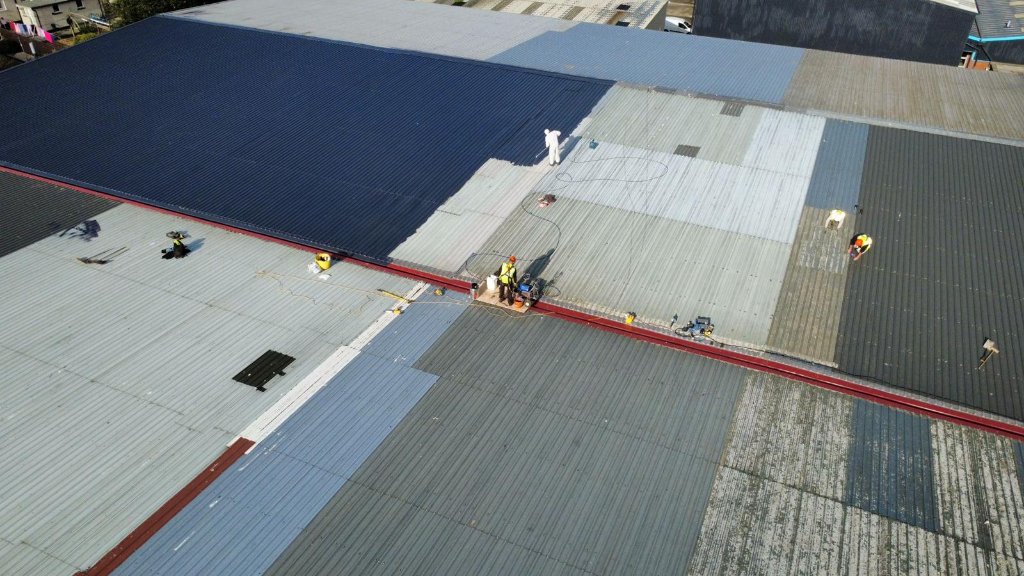
Commercial Roof Drainage Problem
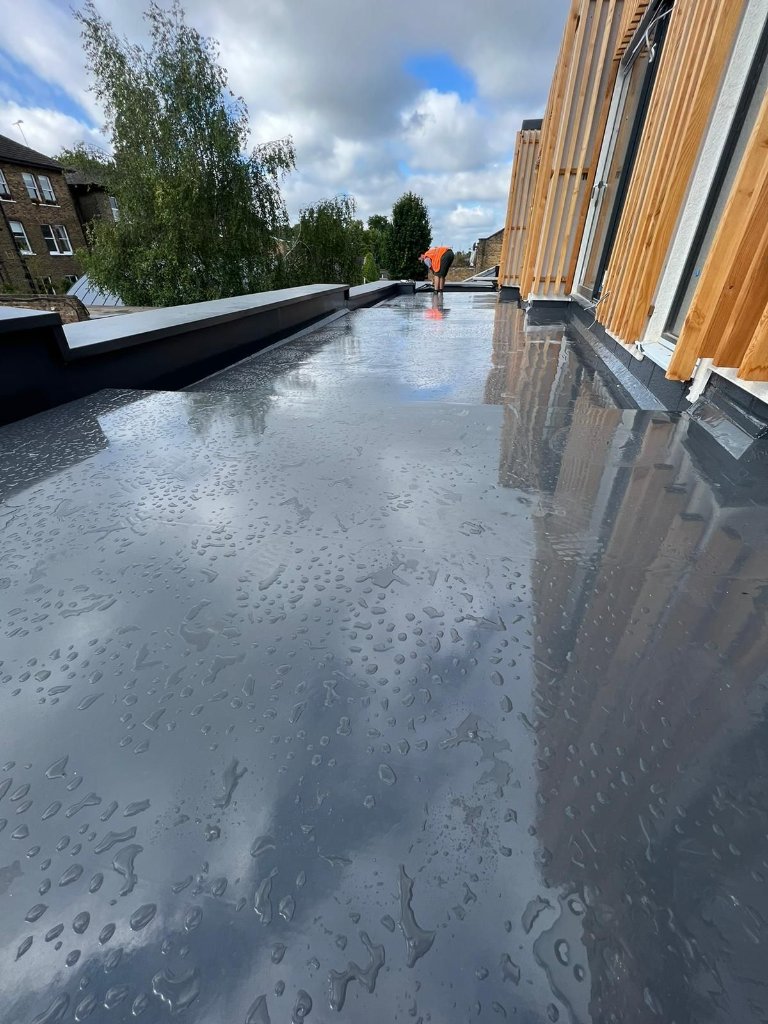
Standing Water on a Commercial Roof
Ponding is a symptom, not a complete diagnosis. Before adding another waterproofing layer, find out whether the cause is maintenance, blocked drainage, poor falls, deck movement, gutter condition or the roof build-up itself.
The important question is why the water is staying
Water can remain on a roof for different reasons, and those reasons need different responses. Clearing an outlet is very different from correcting a low point caused by deck movement. Likewise, adding a coating to a roof with unresolved drainage does not correct the underlying geometry.
The assessment should connect the ponding pattern to the roof build-up, drainage layout and any internal signs of moisture.
Avoid universal “48-hour rules”
Different roof systems and warranties have different drainage and ponding requirements. The roof design, its current condition and the manufacturer’s published requirements determine what is acceptable.
Common Causes
What can create standing water?
Blocked or restricted outlets
Debris, leaf build-up, silt or restricted outlets can slow drainage and create local standing water.
Insufficient or altered falls
The roof may not be directing water effectively toward outlets, or previous works may have changed the drainage path.
Local deck movement or settlement
Deflection or settlement can create low points that did not exist when the roof was first installed.
Gutter or channel problems
Corroded, distorted or poorly draining gutters can hold water and feed moisture back toward vulnerable roof details.
Outlet position or drainage design
Some roofs need a drainage review to determine whether the existing outlet arrangement is appropriate for the roof geometry and rainfall design.
Detail obstruction
Plant, kerbs, previous repairs or build-ups around penetrations can interrupt drainage paths and create local ponding.
What a ponding assessment should check
A useful assessment does more than photograph the puddle. It looks for the route the water should take, what is stopping it and whether the retained water is interacting with existing roof defects.
Commercial roof survey process- Where water remains after rainfall and how the pattern changes over time
- Condition and flow at outlets, channels and gutters
- Roof falls, low points and signs of deck movement
- Condition of the waterproofing within ponded areas
- Upstands, laps, rooflights and penetrations exposed to retained water
- Whether insulation or the roof build-up shows evidence of moisture ingress
- What the selected roofing system manufacturer requires for drainage and standing water
Possible responses
The right response depends on what the assessment finds. These routes are not interchangeable.
Maintenance
Clear outlets, debris and channels where the roof geometry is otherwise working.
Local drainage work
Correct a specific outlet, gutter or local detail where the issue is isolated.
Refurbishment with falls correction
Where the waterproofing also needs renewal and the drainage geometry can be improved as part of the build-up.
Structural investigation
Where deck movement, deflection or load concerns may be creating the low point.
Standing water questions
Is standing water always a roof defect?
No. The significance depends on the roof design, drainage arrangement, membrane system, depth and duration of retained water, and the condition of the waterproofing beneath it. A generic time limit should not replace system-specific guidance and site assessment.
Can standing water cause roof leaks?
It can increase exposure at weak details and deteriorated areas, but the leak still needs a failure path. Ponding may reveal or worsen problems at laps, outlets, upstands, cracks or damaged membrane rather than being the sole cause.
Does ponding automatically void a warranty?
Warranty conditions are system-specific. The correct answer comes from the actual manufacturer's warranty and installation requirements for that roof, not a universal website statement.
How do you fix standing water on a flat roof?
The fix depends on the cause. It might involve maintenance, outlet work, gutter repair, local drainage correction, tapered insulation, structural work or a wider refurbishment. The cause should be established before the solution is specified.
Can a roof be overlaid if it has standing water?
Possibly, but overlay does not automatically correct drainage. The existing build-up, moisture, falls, outlets and substrate condition need to be assessed so the new system does not simply inherit the same problem.
Should I call a roofer or drainage specialist?
If the issue is limited to blocked rainwater goods, maintenance may solve it. If water is repeatedly sitting on the roof surface, affecting details or coinciding with leaks, a roof condition and drainage assessment is the more useful starting point.
Your roof. Your next step.
Water sitting on the roof?
Send photographs showing the ponding area, outlets and wider roof. If you have internal leak locations, include those too.