Faded or chalking finishes
UV exposure and weathering leave plastisol and coated steel looking tired, patchy and harder to protect.
Commercial cladding refurbishment
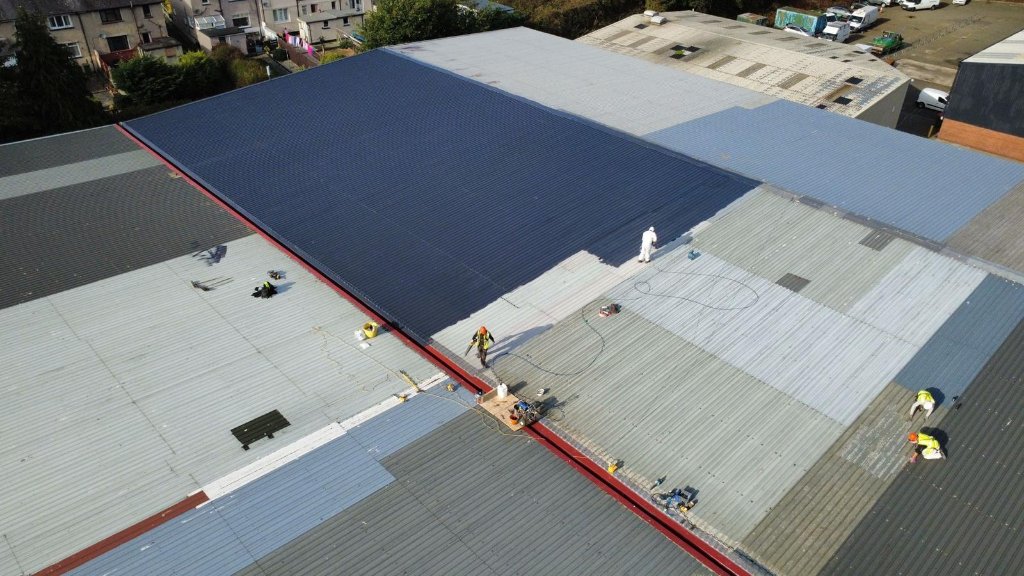
Survey-led restoration for profiled metal wall and roof cladding—cleaning, repairs, corrosion treatment, protective coatings and colour change without defaulting to full recladding.
Start with evidence
Send photographs, the site postcode and the visible failure.
Request assessment 01254 433987The commercial case
Full recladding is not always necessary. If the existing sheets remain serviceable, they can be prepared, repaired and recoated. The survey confirms what can stay.
What goes wrong
A colour problem, a corrosion problem and a water-ingress problem may look similar from ground level. They do not receive the same scope.
UV exposure and weathering leave plastisol and coated steel looking tired, patchy and harder to protect.
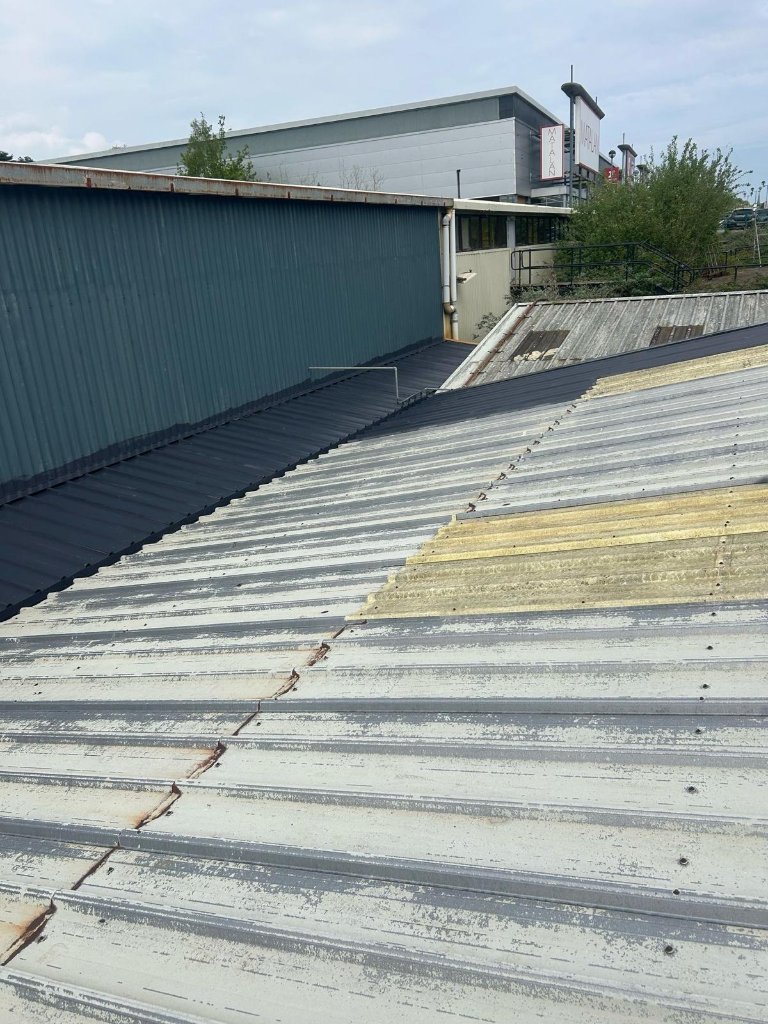
Sheet edges, fasteners, laps and drilled penetrations can become the first points of coating failure.
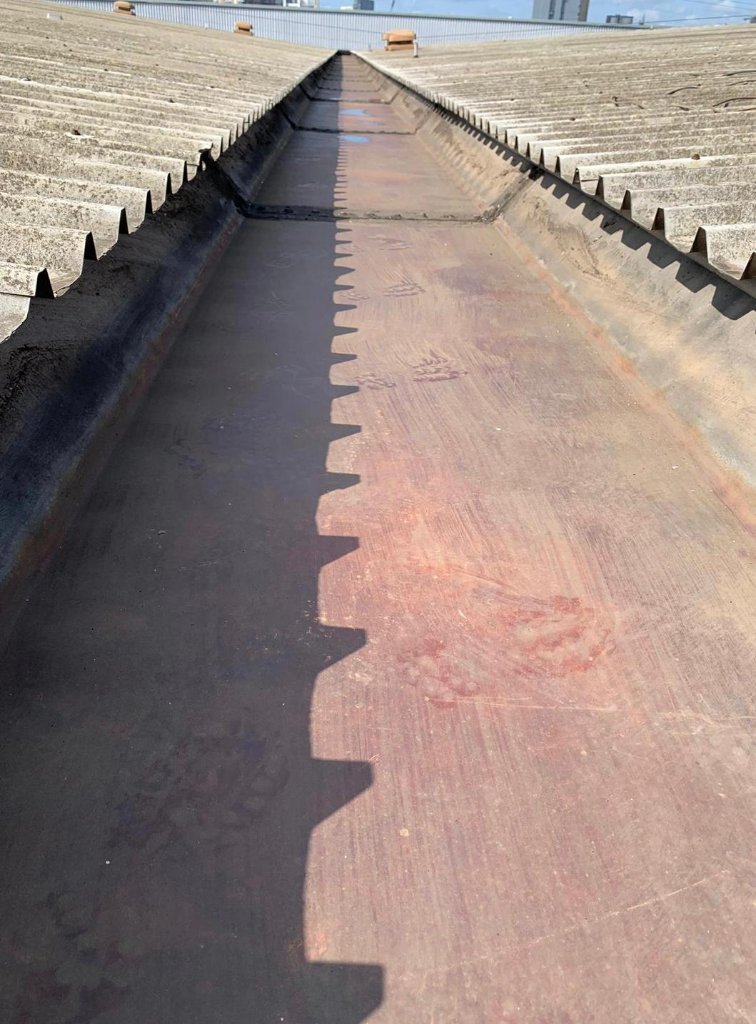
Failed seals, trims, flashings and gutter junctions can move water behind an otherwise serviceable elevation.
Colour change and controlled restoration can reset the appearance without automatically committing to full recladding.
Problem → inspection → repair
Ground-level appearance is only the starting signal. Preparation tests and close inspection determine whether the correct route is cleaning, repair, resealing, recoating, local replacement or recladding.
Test the existing finish and adhesion
Clean, prepare and recoat where the substrate remains sound
Establish why the previous coating lost adhesion
Remove unstable material and rebuild the compatible coating system
Map sheet edges, fixings, laps and exposed metal
Treat corrosion, repair locally and protect the retained sheets
Inspect laps, openings, flashings and transitions
Renew seals and repair interfaces before decorative coating
Separate isolated damage from widespread failure
Replace local panels or trims, then blend into the refurbishment scope
Trace roof, gutter and wall junctions
Repair the actual route; coating alone is not a leak diagnosis
Confirm coating compatibility and operational constraints
Controlled respray in a suitable RAL or BS colour
Assess sheets, rails, fasteners and supporting structure
Recladding or structural work may be required instead of coating
Scope of works
The roof, walls, gutters, flashings and penetrations meet each other. Refurbishing them as isolated trades is how defects get missed.
Map coating breakdown, corrosion, failed seals, damaged sheets and interfaces before choosing a finish.
Specify the preparation standard around the existing coating, contamination and selected refurbishment system.
Arrest treatable deterioration at sheet edges, laps, fixings and local defects before wider coating.
Replace isolated failed roof or wall cladding elements where the wider envelope remains suitable to retain.
Renew failed seals at laps, flashings, openings and junctions before the wider coating scope is completed.
Restore weather protection and transform tired roof or wall cladding using a compatible coating route.
Treat parapets, flashings, gutters, penetrations and transitions as part of one building-envelope problem.
How we deliver the work
Inspect sheets, coating adhesion, corrosion, seals, fixings and difficult interfaces.
Define access, cleaning, repairs, masking and the preparation standard.
Carry out local repairs, corrosion treatment and the specified coating build-up.
Record the completed scope and maintain the envelope through planned inspection.
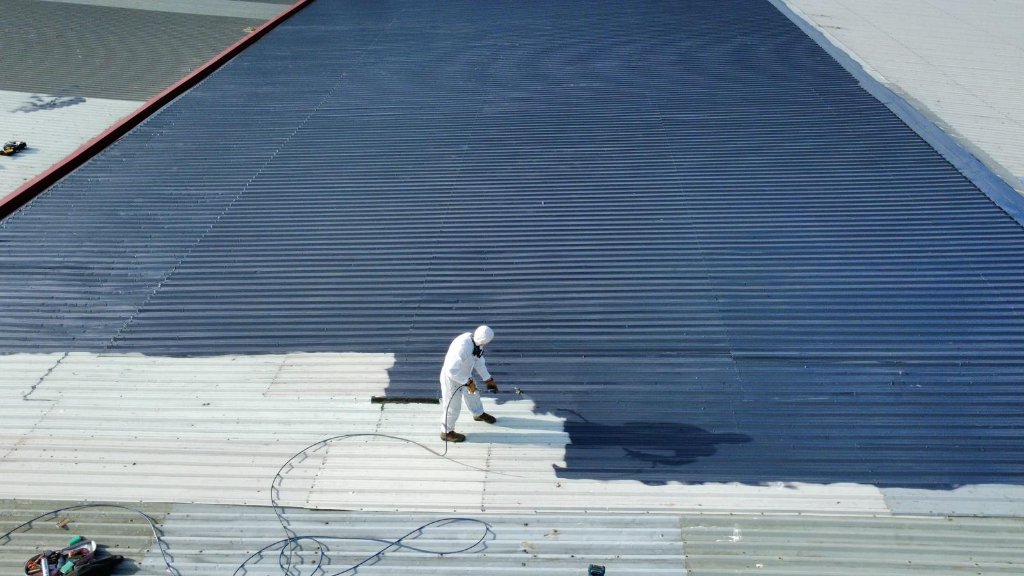
TopSpray35 in application
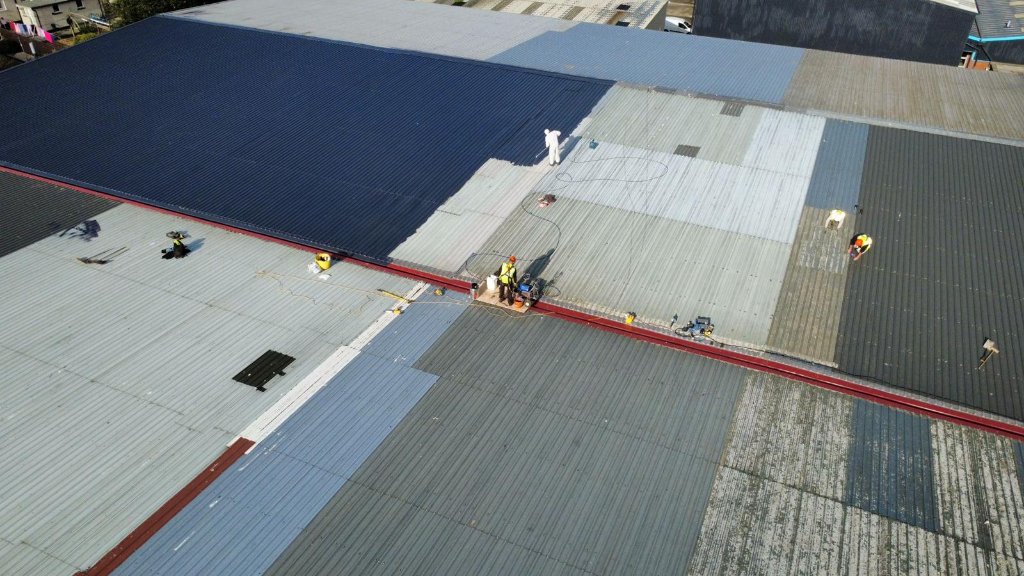
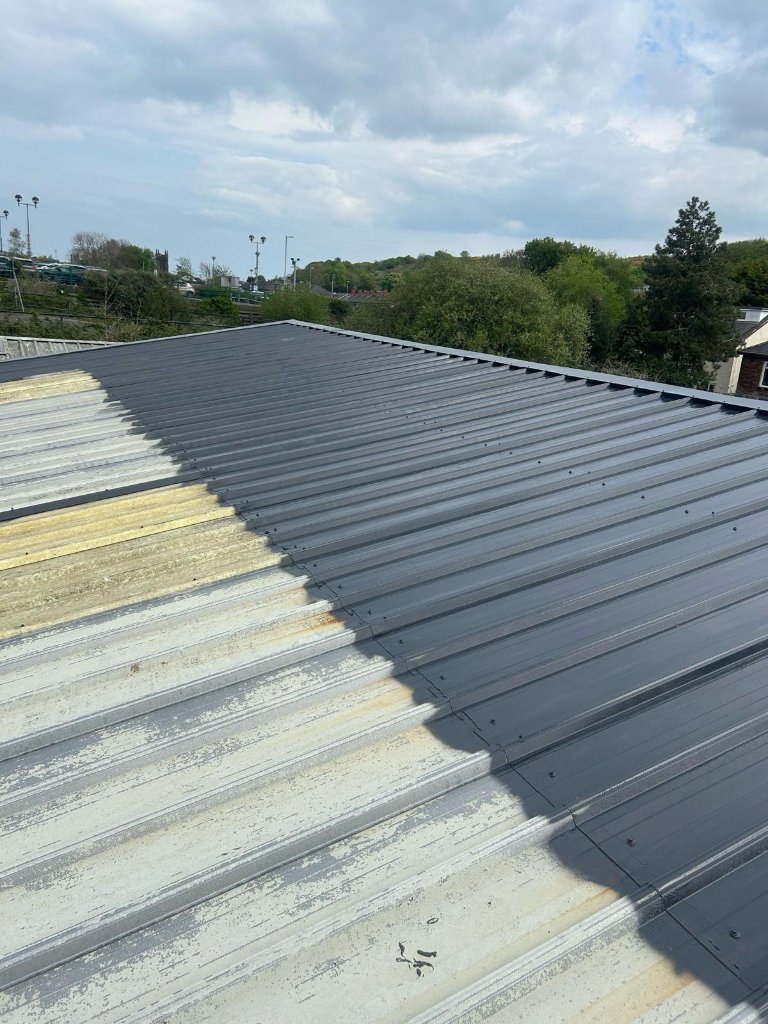
TopSpray35 is a two-component aliphatic polyurethane protective topcoat for suitable prepared substrates. It supports UV-stable colour and weather protection; it is not presented here as a standalone waterproofing membrane.
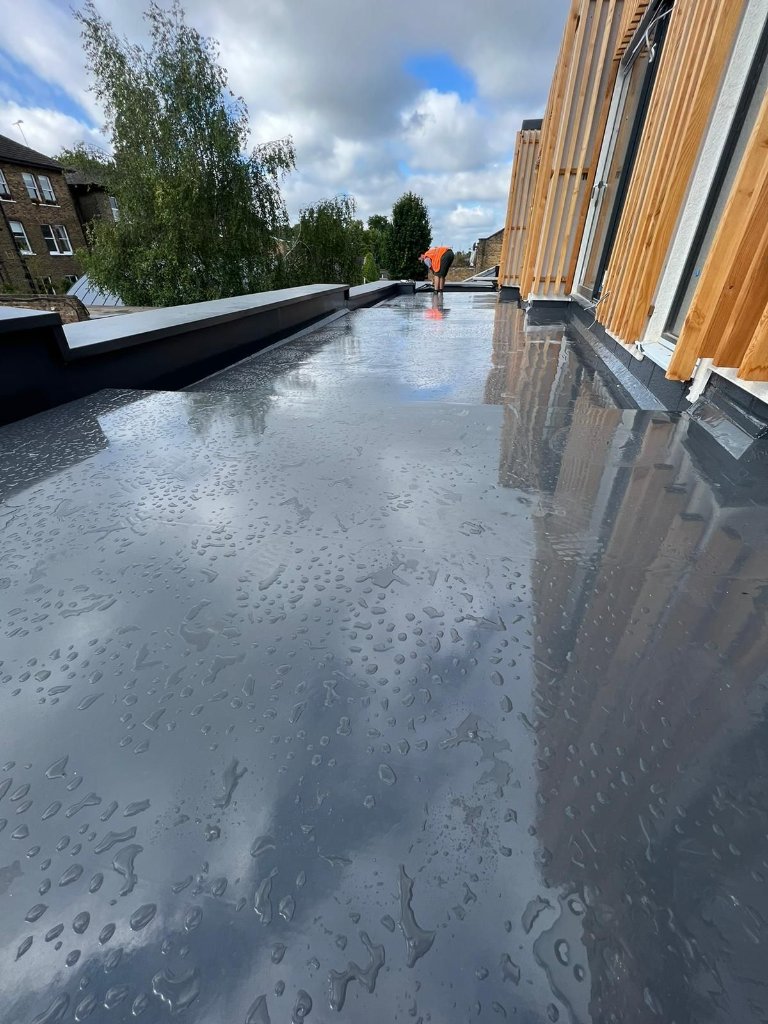
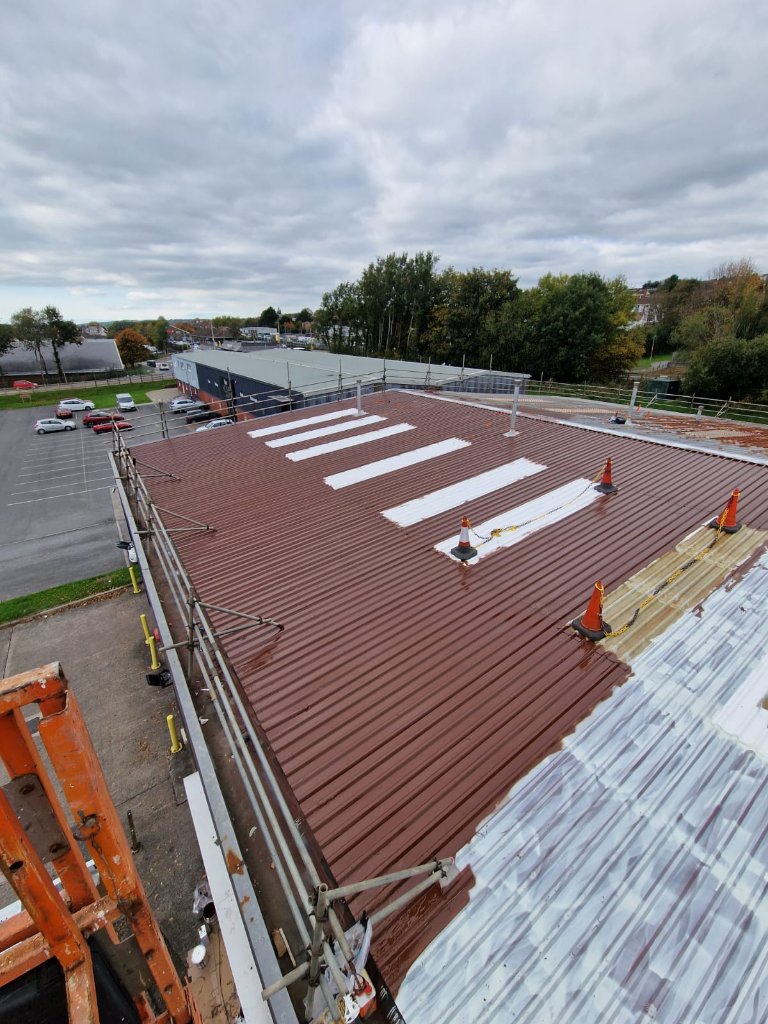
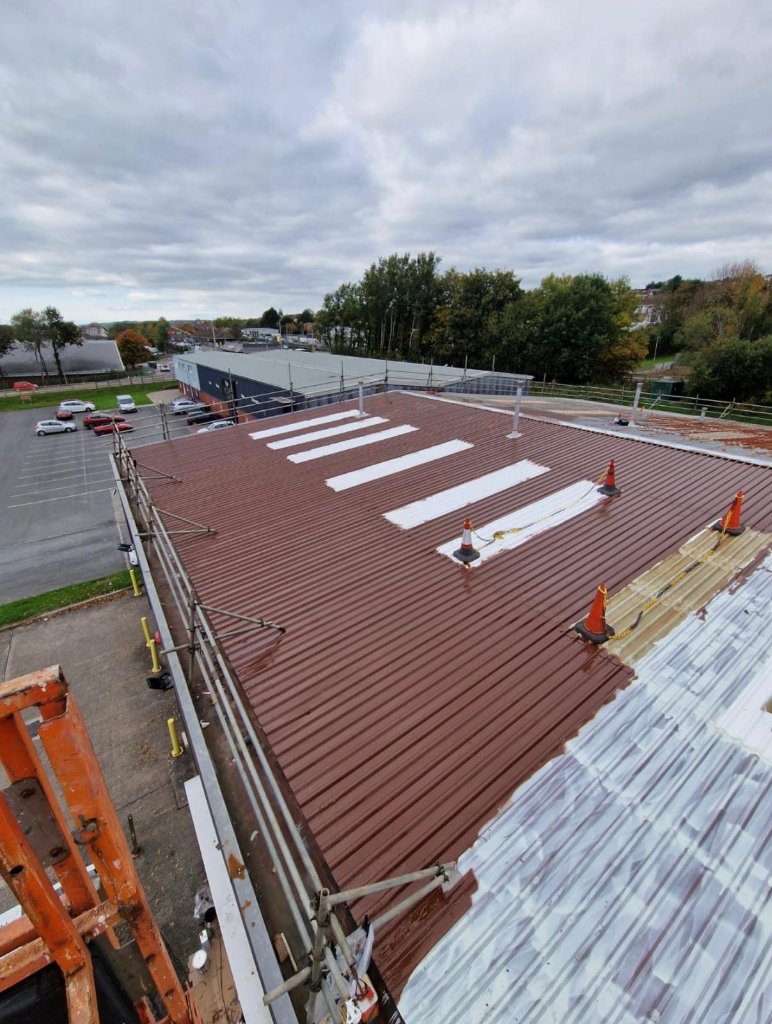
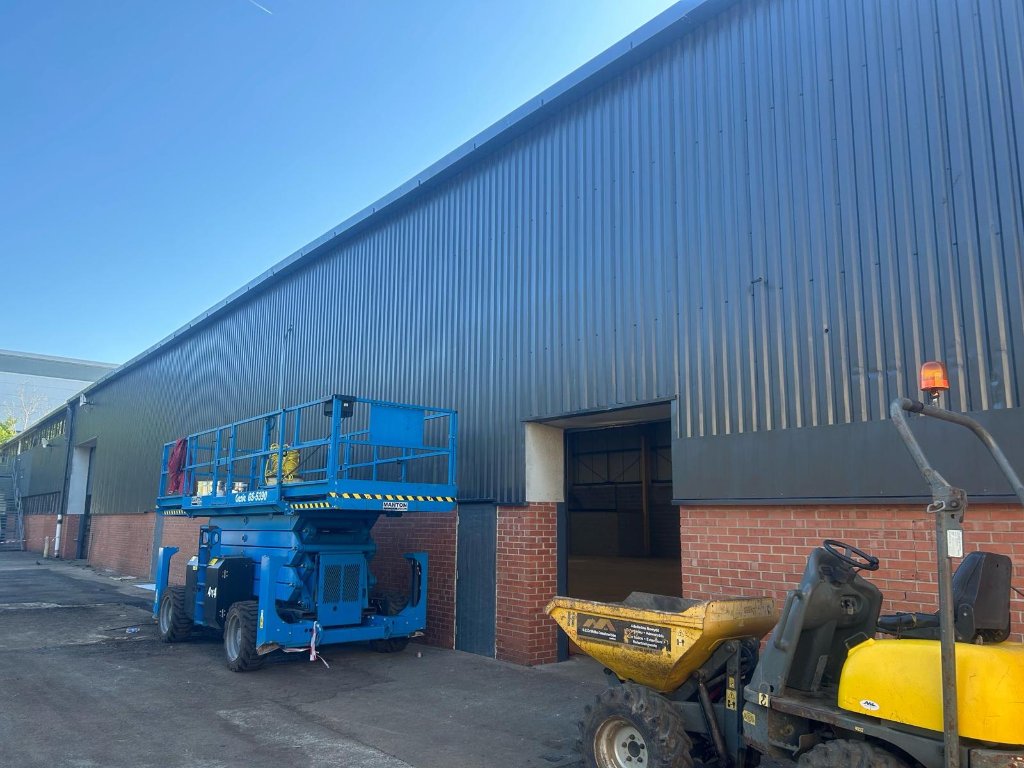
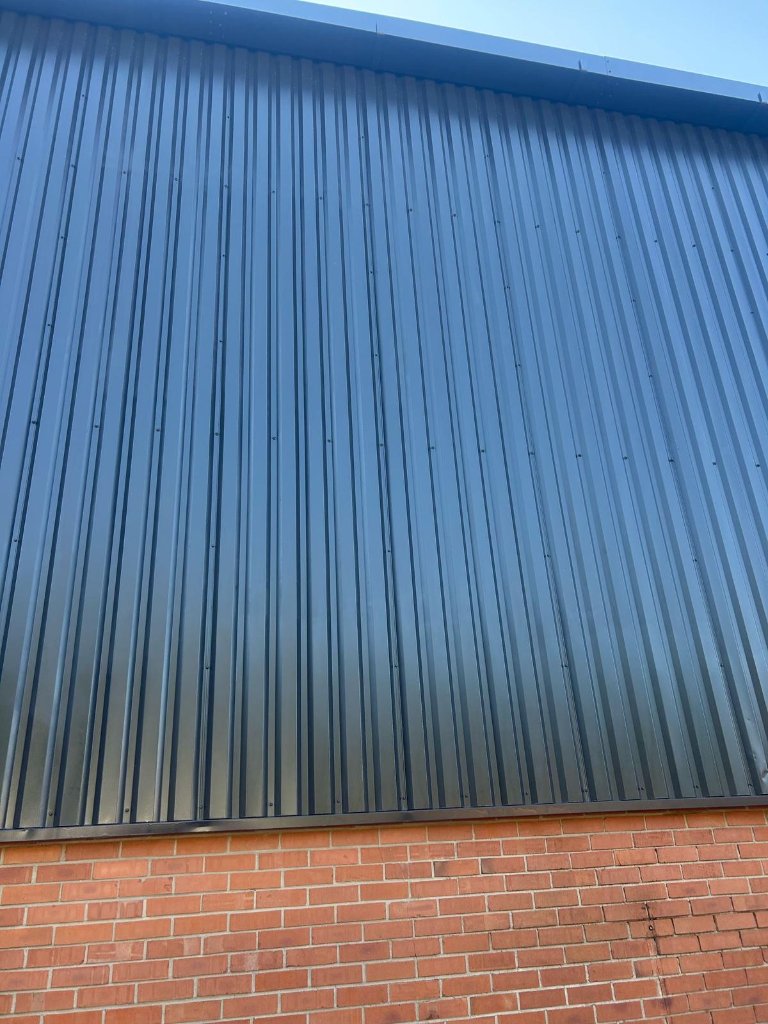
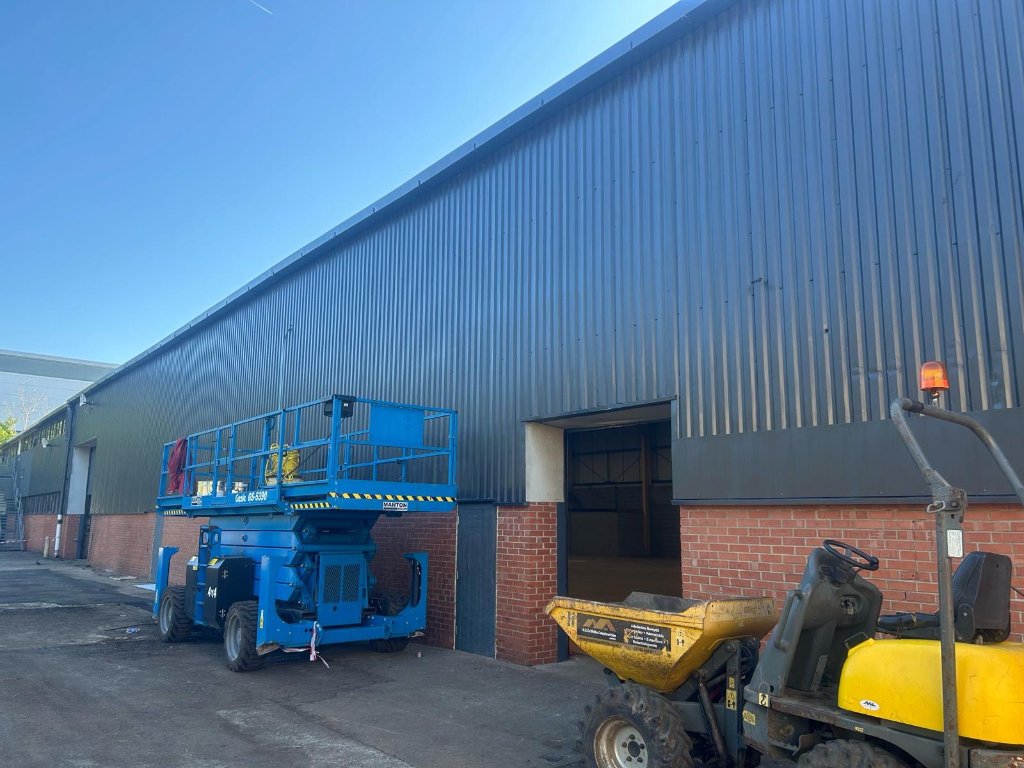
The imagery shows application, access, detailing and completed appearance without presenting unnamed buildings as case studies. Preparation, primer, film build, RAL colour and warranty requirements remain project-specific.
Chemistry
Two-component aliphatic polyurethane
Application
Airless spray · minimum two coats
Colour
RAL range confirmed at specification
Warranty
Project and complete-system conditions apply
North West cladding coverage
These city hubs connect cladding refurbishment with the wider roof, gutter, asbestos and building-envelope services available in each commercial market.
Clear answers
Direct answers for building owners, facilities managers, surveyors and contractors deciding whether to repair, recoat or replace.
Related building-envelope services
Commercial cladding assessment